


- Home
- About Us
-
Products
- Cut & Bent Rebar
- Reinforcing Fabric
- Prefab Solutions
- Couplers
- Construction Accessories
- Concrete, Plastic and Wire Reinforcement Spacers
- Construction Chemicals, Grouts, Mortars and Resins
- Gabion Baskets
- Groundwork and Slab Accessories
- Rebar Couplers
- Permanent Formwork,Column Formers and Formwork Accessories
- Site Safety and Test Equipment
- Waterproofing and Gas Barriers
- Spread Anchor System
- Lifting & Fixing Systems
- Precast Accessories
- Brickwork Products
- Technical Solutions
- Sustainability
- Technical Services
- Resources
- Contact Us
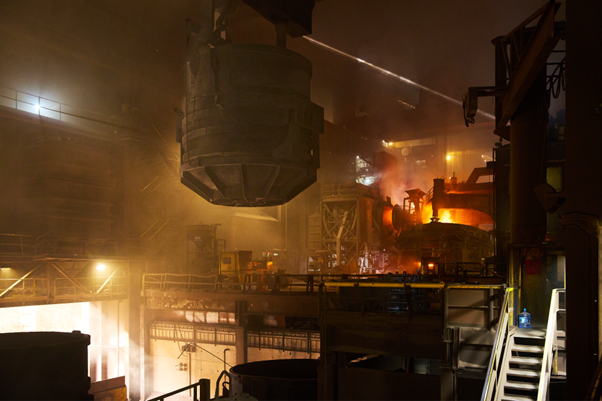
Read Time: 8 min
UK Steel Strategy: What it means for UK-made steel
The launch of the UK Government’s Steel Strategy has received a warm welcome from across the UK steel industry. Setting out a clear ambition to strengthen UK steelmaking, the Strategy tackles some of the industry’s most pressing challenges head on, helping to secure the future of domestic steelmaking.
For downstream businesses, however, some elements of the Strategy have raised questions - particularly in the short-term as the sector transitions. Leading the way here are concerns around pricing as targets are set to increase demand for UK-made steel and quotas and tariffs are imposed on imported steel.
In this blog, we’ll explore the key takeaways from the Steel Strategy and discuss the impact on the steel industry.
Inside the UK Steel Strategy
The Steel Strategy, published by the UK Government in March 2026, aims to provide the UK steel industry with the support it needs to invest, innovate and grow.
This recognises the importance of the steel industry, not just for today but also for the future, with policies that respond directly to industry challenges to reshape the landscape and pave the way for future success.
While you can read the full Steel Strategy here, we’ve summarised some of the key points that will directly impact the industry at every level:
Trade protections rebalance UK-made steel
With excess steel anticipated to reach 680 million tonnes this year, leading to domestic demand for UK-made steel falling to around 30%, more stringent trade measures form a key part of the Strategy. Designed to protect the UK market from the impact of global overcapacity, the move will rebalance the market and create greater stability for UK-made steel products in a bid to increase the proportion of UK-made steel to 50%.
UK-made steel strengthens resilience
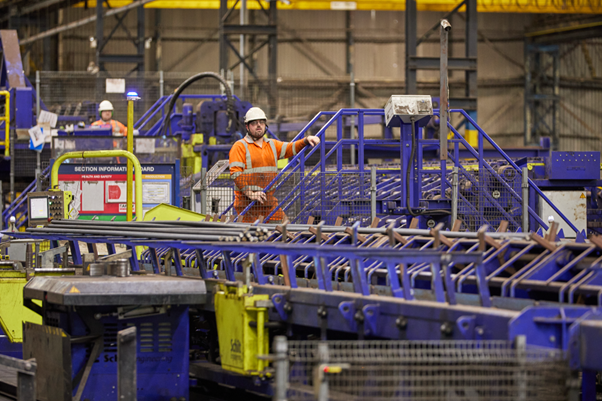
The Strategy signals a clear shift towards strengthening domestic steel supply chains, with a reduction in steel import quotas by 60% and the introduction of a 50% tariff on out-of-quota imports. Alongside supporting producers at the top of the chain, reducing reliance on imported steel builds greater resilience for and opportunity across the steel supply chain. For customers across construction, infrastructure and energy, this will help to boost the availability of UK-made steel.
Supporting domestic supply – and demand
Greater support for steel producers will create an uplift in investment and domestic production. To sustain that, demand for UK-made steel also needs to increase. The Strategy supports this by reinforcing the importance of public procurement of domestic steel, with demand fulfilment flowing through downstream suppliers like 7 Steel Service.
The impact of the Steel Strategy
While the publication of the Steel Strategy has been widely welcomed, the potential impact is triggering some concern at various points of the steel supply chain - particularly for downstream producers.
Here, we’ll look at some of the questions being posed across the industry and supporting sectors.
Will the use of UK-made steel increase prices?
A key part of the Steel Strategy is the introduction of trade measures intended to boost demand for UK-made steel. In the short-term, this is expected to increase costs as the industry reduces its dependence on imported steel, which has long had lower costs attached due to the overcapacity of steel around the world.
In the long-term, the plans should create more stable and sustainable pricing, building greater confidence across a secure, domestic supply chain.
How does the Strategy support fabricators and manufacturers to stay competitive?
It’s important to recognise that imported steel is not banned, but is intended to be reduced and better controlled. That means imported steel is still accessible when needed and, as part of the global supply chain, UK steel producers will need to remain competitive - in terms all critical factors including pricing, quality and availability.
In reality, this makes competition even stronger, ensuring steel fabricators can access the steel they need, when they need it, all within the UK.
Will domestic steel supply be able to meet demand?
The Steel Strategy details ambitions to increase the volume of UK-produced steel used domestically from 30% to 50%, raising questions around simple supply and demand - and whether the industry will be able to keep up.
Across the UK’s steel producers, there is already capacity to increase output to the anticipated levels. Over time, as demand for UK-made steel increases, producers are likely to invest further in the UK facilities, further boosting availability alongside quality, sustainability and traceability.
While the Strategy goes a long way to creating a more resilient UK steel market, there are some challenges that have gone unresolved – such as the price of energy, which is integral to production, especially through Electric Arc Furnace methods. As a result of consistently high energy prices, the cost of UK-made steel will likely remain higher for some time.
At 7 Steel Service, we’ve been demonstrating the benefits of a complete UK steel supply chain for years – from hands-on support through to reliable, shorter lead times. As a UK producer of steel reinforcement that’s made from 98% recycled steel here in the UK, we’re familiar with the challenges facing the industry, but have built a resilient production process that ensures strength, simplicity and support for every one of our customers.
Strengthening UK steel
While the industry adapts to the sweeping changes detailed in the Steel Strategy, its potential to strengthen the complete domestic steel supply chain is something to be celebrated.
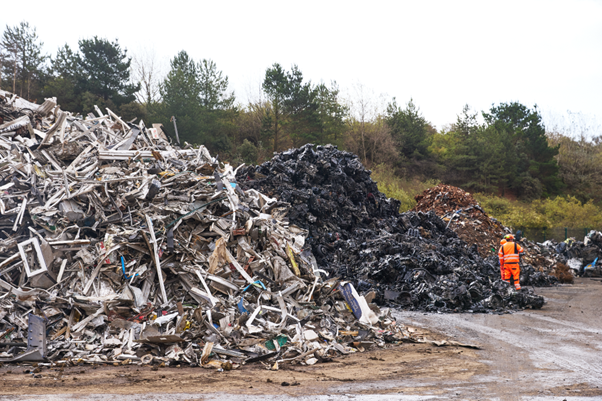
The UK already produces substantial volumes of steel scrap, much of which is currently exported for recycling elsewhere. Leading producers, including 7 Steel UK, are already producing recycled steel here, with others investing heavily in this technology. The Steel Strategy recognises this and helps to ensure the future longevity and strength of the industry.
By keeping every stage of value – from scrap to strength – in the UK, it is our supply chain that benefits with:
- UK steelmakers supporting an in-demand domestic market
- Fabricators and processors using UK-made steel to create steel products that form the backbone of industries such as infrastructure, energy and construction
- Customers proudly using materials and products that have been produced locally
- Communities benefits from increased job opportunities and prosperity as investment increases to fulfil demand
What that means in practice is that, on every project – from the construction of new wind turbines through to the development of landmark railway projects – the steel that supports them can be, and should be, UK-made.
UK-made steel for UK projects
The UK Steel Strategy represents a promising step towards a steel supply chain that is more resilient, more self-sufficient, and more sustainable – with clear benefits that will be felt right across the supply chain.
Up the chain, that looks like greater investment, greater output and greater quality. For customers, it means more stability, improved integrity and a clear emphasis on UK-made steel. And for specialist reinforcement suppliers like us, it means greater confidence as we continue to supply high-quality, low-carbon steel reinforcement for major projects.
We will continue to work closely with our customers as, together, we navigate the changes triggered by the UK Steel Strategy as we deliver strength, support and simplicity on every project.
For those feeling the short-term impacts around pricing and availability, contact your 7 Steel Service account manager directly to discuss how we can support you to get the UK-made low-carbon reinforcement steel you need for your upcoming projects.
April 2, 2026